
Interview with Dr. Andrew Smith, Professor, University of Westminster
A more progressive option is to ensure urban public spaces are places that encourage physical activity.

A more progressive option is to ensure urban public spaces are places that encourage physical activity.
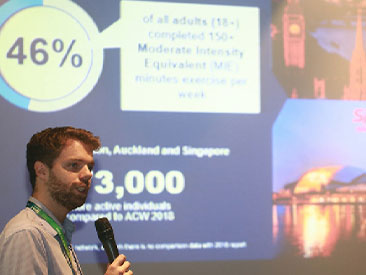
The positive benefits of sport and physical activity are well recognised, However, policymakers often struggle with a basic, but critical challenge – the lack of data.

By linking its policy-makers and agencies in areas of health, sports, education and social development around a framework of integrated initiatives, a Global Active City puts the well-being of citizens as its central goal in a city fit for the future.

Although residents of Helsinki engage in more recreational exercise than people in Finland on average and the situation in Helsinki is better than the national average in terms of many health and well-being indicators, the City of Helsinki is taking promotion of physical activity seriously.

“It has been nearly 10 years since WHO published its Global Recommandations on Physical Activity and Health. This means that nearly a decade ago, countries and the general public have learned that physical inactivity was identified as the fourth leading factor for global mortality.”

Half of the world’s population now lives in cities. By 2050, two-thirds of the planet will be urban dwellers, and 90% of the shift will happen in Africa and Asia. This trend means that focusing on urban development that benefits health is more important than ever.