
summit 2026
welcome back to Lausanne
16-18 november 2026
2026 summit
move to impact
unlock the social power of sport
Sport is many things at once: leisure and work, individual and collective, fun and competition, grassroots and elite, shadow and light, pure play and big business, routine and spectacle, practice and institution. It is both an end and a means.
Today, the question of sport’s impact – especially its social impact – lies at the heart of how we rethink its role, its value, and its extraordinary potential in our societies, our communities, our local environments, and even in our daily lives.
It is now widely recognised that sport contributes to inclusion, education, equality, social integration, community cohesion, economic development, youth empowerment, civic engagement, peacebuilding, sustainability, and both physical and mental well-being. From individuals to communities to entire societies, sport is a powerful driver of social transformation.
While cities are the stages on which most sport takes place, they are far more than that. Cities, as designers and promoters of sports policies, stewards of public space, everyday playgrounds for citizens, home to sports facilities, and hosts of sporting events, play a pivotal role in delivering this social impact.
Over two days of conferences, smartcities & sport summit invites you to discuss, measure, and share the social value of sport in cities, for cities, and for the citizens. From everyday action targeting specific communities to sporting events that create momentum, every approach helps to unlock the transformative power of sport to change society.
We look forward to welcoming you in Lausanne, Switzerland for an impactful edition of the smartcities & sport summit! Registration is now open!
call for proposals
Are you convinced that sport is a powerful game-changer, that breaks down social barriers and builds bridges among people and communities? Are you working on a project that advances the social impact of sport in cities? Are you developing an urban development strategy that uses sport as a tool for social change?
We want to hear from you! Share your best practices and inspiring initiatives. Be part of the global conversation driving smart and sustainable cities forward through sport. Contact us!
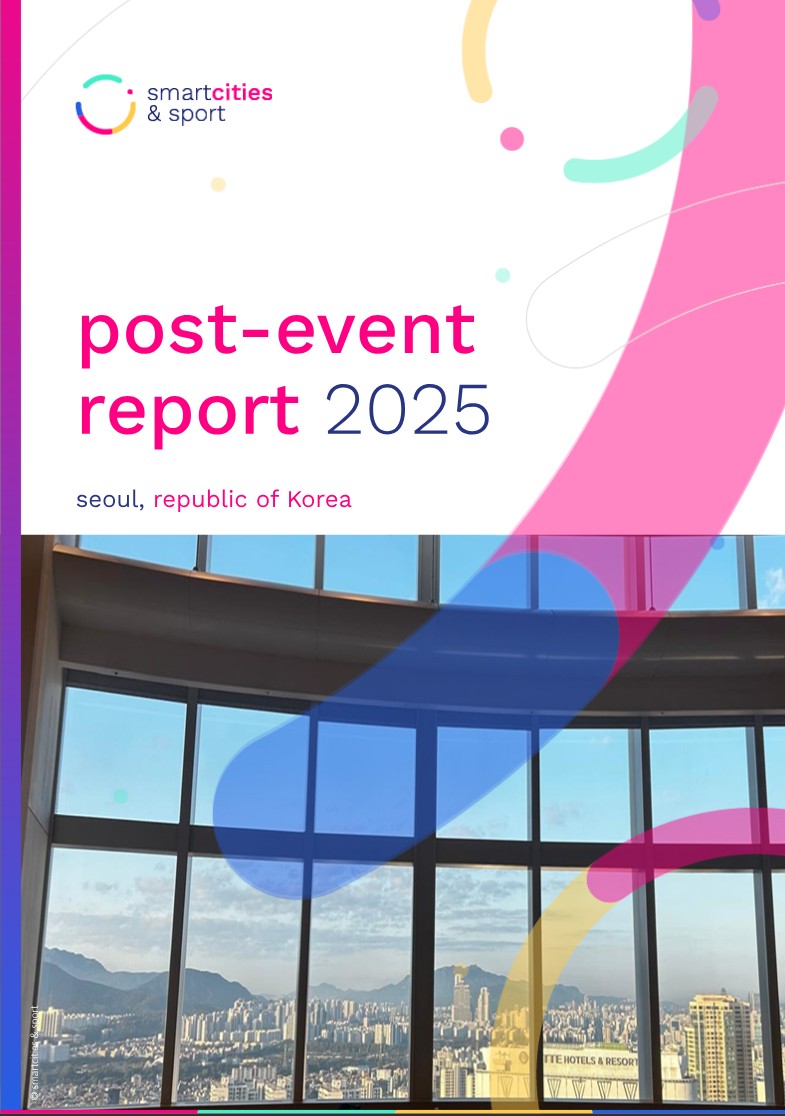
(re)discover the 2025 post-event report
While we look forward to welcoming you in Lausanne for the 2026 smartcities & sport summit, take a moment to revisit — or discover for the first time — what made the 2025 Seoul edition so memorable. The post-event report on tech & sport: the e-volution is well worth the read.
- Key tech-related ideas shaping the future of sport and cities
- Inspiring case studies from cities around the world
- Insightful speakers and creative moderators who brought the discussions to life
- Focus on key topics such as AI, data, esports, virtual sports, smart venues and tech tools — now an integral part of the sports ecosystem, shaping both today’s realities and tomorrow’s innovations
Dive in, continue the conversation on how technology is transforming sport and urban life — and while you’re at it, explore the full archive of our previous summits. Each edition, a new perspective.
summit programme
To explore how to move to impact, this year’s summit will be structured around three distinct but deeply connected rhythms of sport in city life.
The journey will begin where sport actually resides, in the everyday. In the local club, the public park, the school programme, the volunteer coach showing up every Tuesday evening. This is the permanent, often invisible engine of social change: quiet, constant, and foundational. Before impact can be measured or policy designed, this daily fabric must be understood and honoured.
From there, the focus will shift to the contractual, the governance structures, accountability mechanisms and shared responsibilities that give social impact its durability and economic legitimacy. Social impact through sport is by design. It is co-constructed, negotiated and written into the relationships between cities, federations, clubs and communities. This is where aspiration becomes obligation, and where the question “what do we owe each other?” demands a concrete answer.
The summit will close with the exceptional, the sporting event as a laboratory for urban and social transformation. Events compress time and concentrate energy. When designed with intention, they become unique opportunities to test new models, shift behaviours, and leave behind not just infrastructure, but changed cities and stronger communities.
The permanent. The contractual. The exceptional. Three rhythms, one conviction: that sport’s social impact is not a bonus or a by-product, it is something we can choose, design, measure and build together.
test
Your content goes here. Edit or remove this text inline or in the module Content settings. You can also style every aspect of this content in the module Design settings and even apply custom CSS to this text in the module Advanced settings.
monday, 16 november
19:00 – 22:00 welcome dinner
tuesday, 17 november
9:00 – 12:15
everyday sport: the quiet engine of social change – the power of the ordinary
9:00 – 9:45 framing the scope
9:45 – 10:45 reaching further
10:45 – 11:15 network coffee
11:15 – 12:15 places that matter
12:15 – 14:00 lunch
13:45 – 17:00
sport as a social contract: rights, responsibilities and the social deal – what do we owe each other?
13:45 – 14:15 counting what counts
14:15 – 15:30 writing it in
15:30 – 16:00 network coffee
16:00 – 17:00 linking it up
19:00 – 22:00 gala dinner
wednesday, 18 november
9:00 – 12:30
the event as a laboratory: accelerating urban and social transformation – when sport disrupts the city for good
9:00 – 9:50 from one to many
9:50 – 10:30 from 1984 to 2028: highlight on Los Angeles – the event as a catalyst for inclusion and socio-economic development
10:30 – 11:30 coffee and networking session
11:30 – 12:30 how IFs embed social impact
12:30 – 14:00 lunch
programme in pdf here
summit speakers

Aditi Chauhan
Joris Wils
Oleksiy Soldatenko

Iryna Soldatenko

Sergei Aschwanden
Larissa Davies
Liselott Stenfeldt

Joe Hewitt
Renata Simril

Tahina Booth

Rhyl Jones McCoy
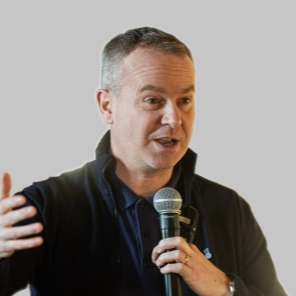
Geoff Wilson
award smartcities & sport
the 2026 smartcities & sport award
We are excited to announce that the smartcities & sport award is back for the 2026 smartcities & sport summit! Previous awards celebrated groundbreaking sport and city initiatives, but this year, we are going further. We are shining the spotlight on cities whose sport strategies are grounded, innovative and actively shaping the way cities live, move and thrive.
test
Your content goes here. Edit or remove this text inline or in the module Content settings. You can also style every aspect of this content in the module Design settings and even apply custom CSS to this text in the module Advanced settings.
what’s at stake?
This award offers global recognition within the smartcities & sport community. It is a unique opportunity to celebrate your city as a true leader in urban transformation through sport, not for a one-time achievement, but for a sustained, structured vision that is shaping the lives of your residents. Share your city’s strategy and be acknowledged by peers and partners from around the world.
test
Your content goes here. Edit or remove this text inline or in the module Content settings. You can also style every aspect of this content in the module Design settings and even apply custom CSS to this text in the module Advanced settings.
who can participate?
The award is open to all cities that have developed and are actively implementing a comprehensive, long-term sport strategy that cuts across sectors and speaks to the full complexity of urban life. Whether it connects sport to public health, education, social inclusion, gender equality, sustainable development, or all of the above, what matters is that your strategy is grounded, ambitious, and creating real impact for the people it serves.
If your city is committed to sport as a long-term driver of urban change, we invite you to apply!
test
Your content goes here. Edit or remove this text inline or in the module Content settings. You can also style every aspect of this content in the module Design settings and even apply custom CSS to this text in the module Advanced settings.
key dates
submission opening : 25 June 2026.
submission deadline: 30 October 2026.
award ceremony: 17 November 2026, during the Gala dinner at the smartcities & sport summit in Lausanne, Switzerland.
The selected recipient will be invited to attend the award ceremony at the smartcities & sport summit Gala Dinner in person (with the possibility to join virtually). The winning strategy will be showcased during this special event, providing an exceptional platform for global exposure and networking. The names of the recipients will only be publicly announced on the day of the ceremony.
how to participate?
Simply fill out the application form linked below and submit your ongoing strategy details by the deadline. Make sure to provide all required information to help our jury understand the impact and innovative dimensions of your city’s strategy.
The application deadline is 30 October.
register now!
The summit will provide a high-level and prestigious platform for the exchange of ideas and experience to more than 300 participants. It is aimed at anyone involved in international, national and local sports, including: cities, sports federations, national Olympic committees, Olympic Legacy entities, non-profit organisations, companies and sports clubs. Don’t miss out on this comprehensive and inclusive experience in the home of international sport.
delegate pass
- two-day conference sessions
- lunch
- welcome cocktail
- gala dinner
- eventApp
Benefit from the early bird rate and save CHF 250 on registration fees. Valid until 15 October 2026.
welcome back to lausanne!
The smartcities & sport summit 2026 is coming back to Lausanne, the Olympic Capital, 16-18 November, 2026!
With more than 55 international federations, the City of Lausanne is the home of international sport and is the place where the future of sport is shaped.
As well as being a unique ecosystem, Lausanne has also become the home of international sport, hosting some of the world’s most important events such as the Winter Youth Olympics in 2020. Lausanne actively keeps this flame alive and hosts several major events a year.
With nearly 300 clubs and 30,000 members, Lausanne “La Sportive” is a city where sport is a way of life. With sport as part of its DNA, Lausanne develops the practice of sport within the population, particularly among women.
We look forward to welcoming you to Lausanne, the Olympic Capital for this new edition of the smartcities & sport summit!
summit venues
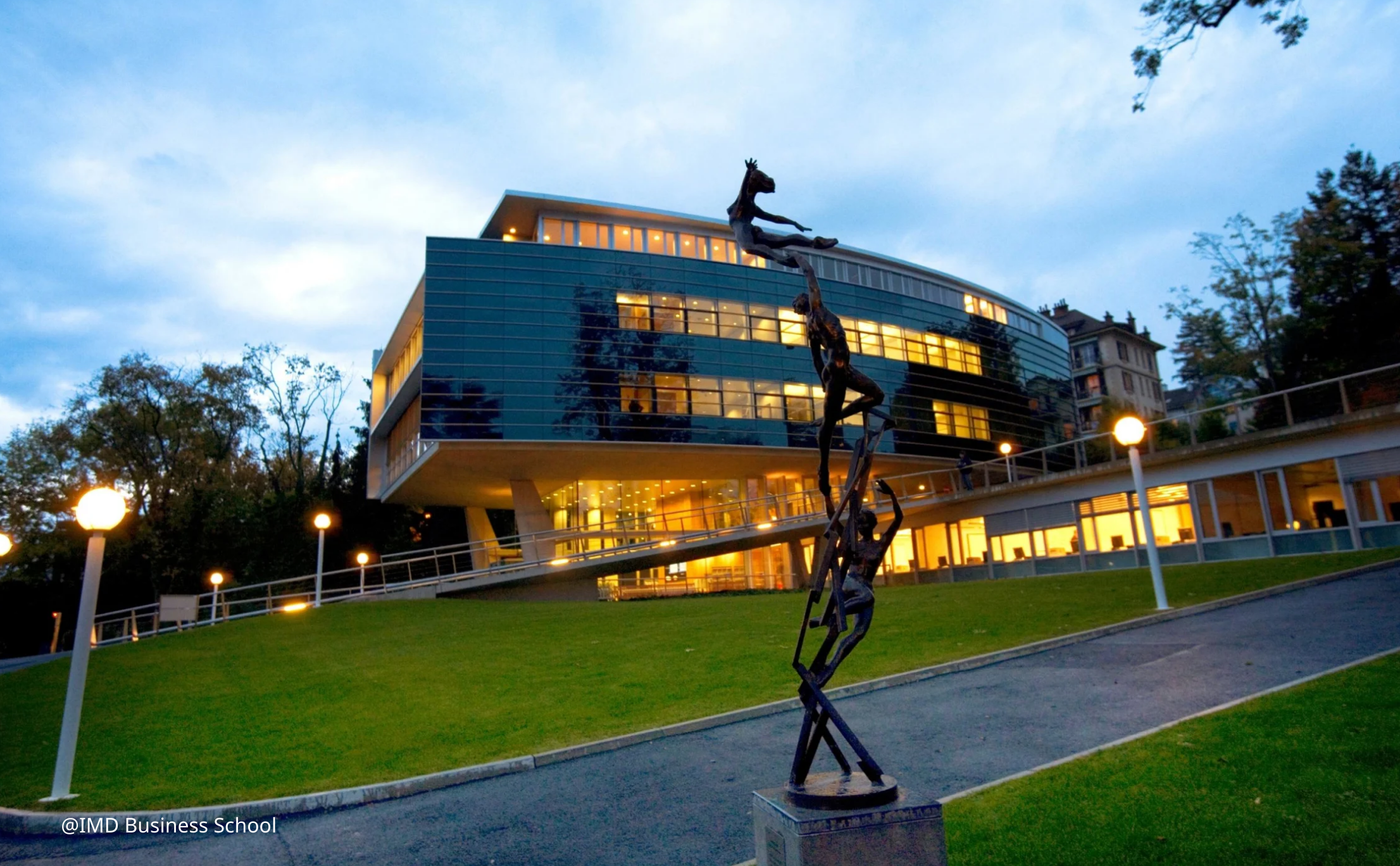
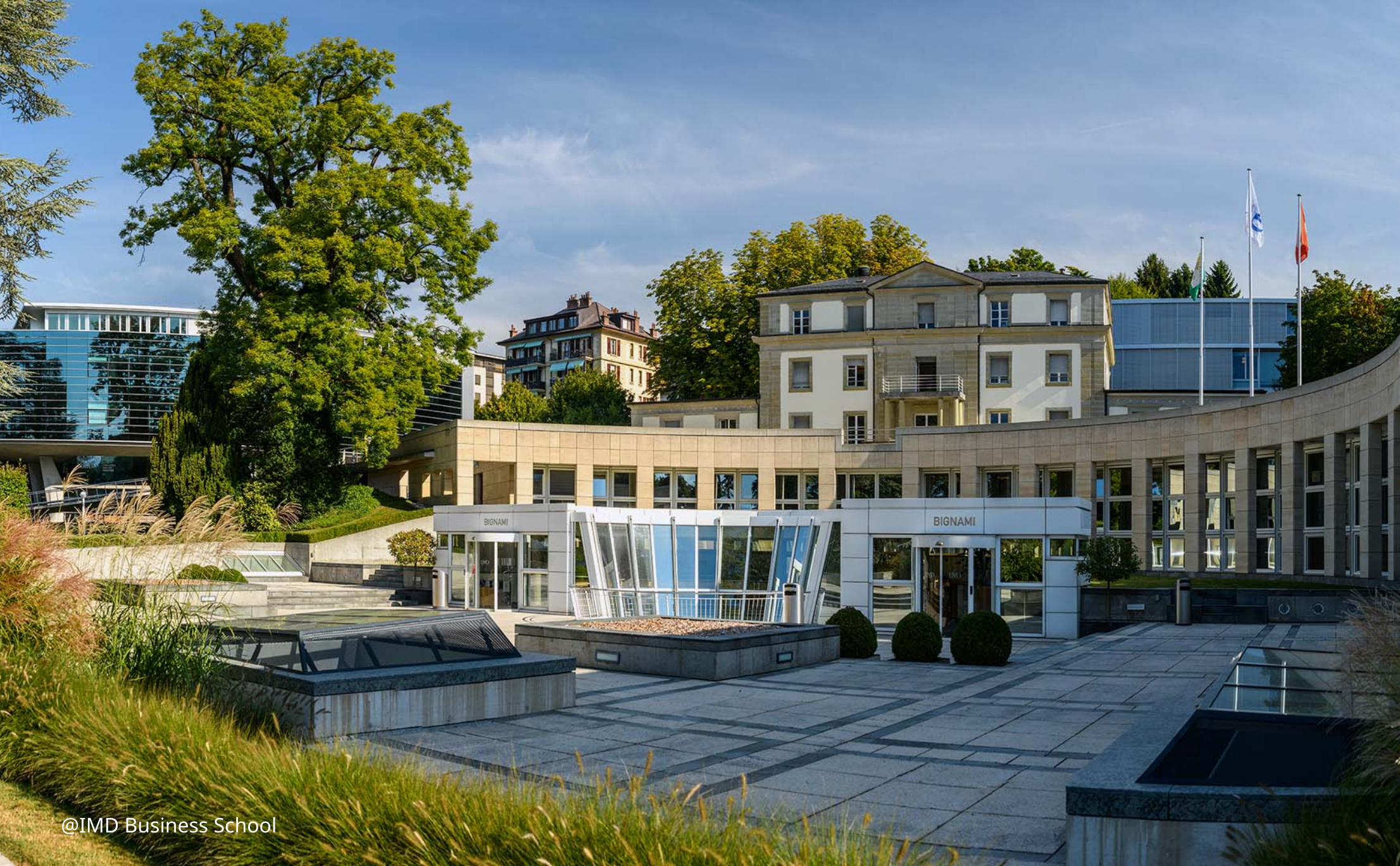
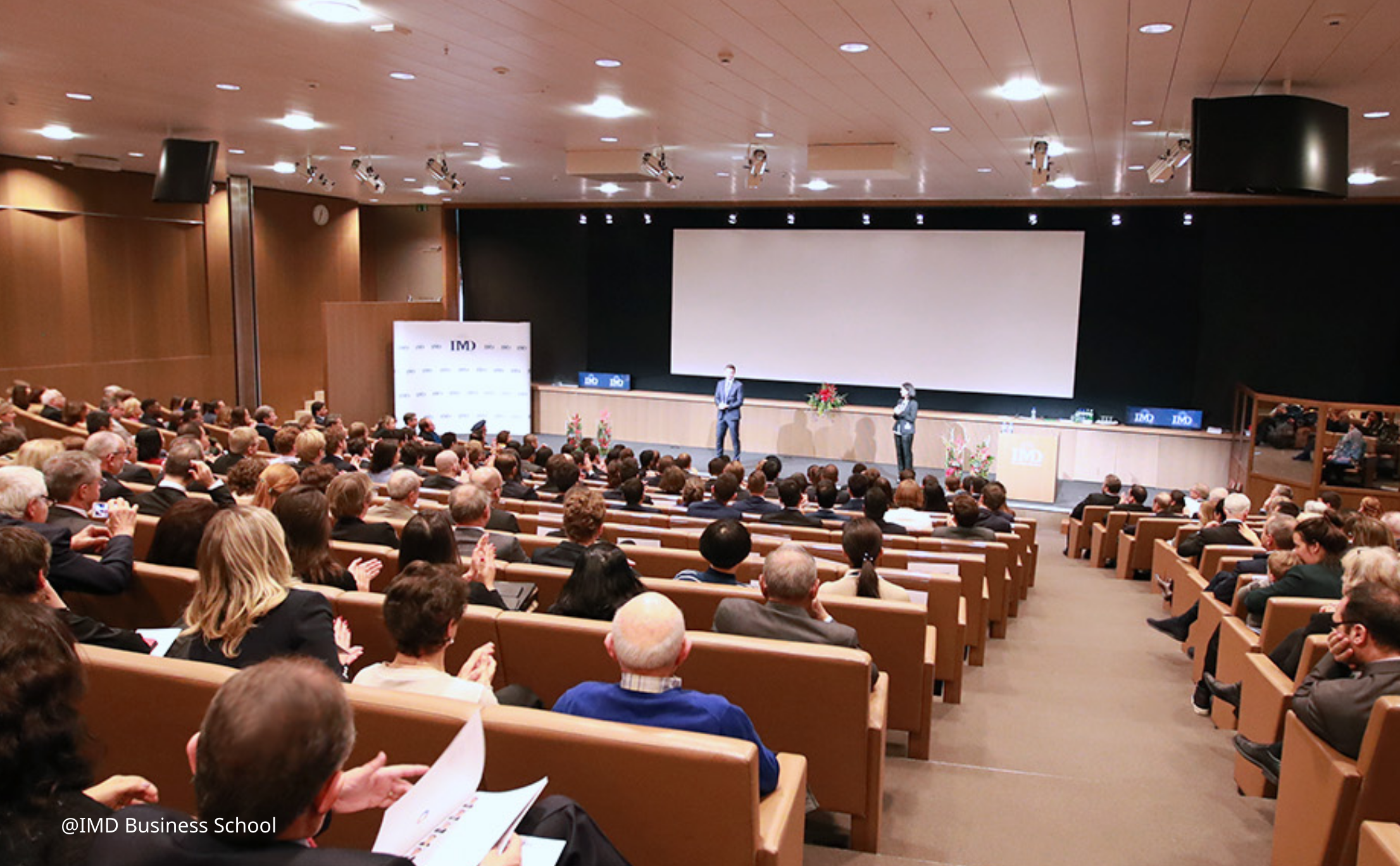
IMD Business School
IMD is a top-ranked business school which specialises in developing global leaders through high-impact executive education. IMD focuses on real-world executive development; it offers Swiss excellence with a global perspective; and has a flexible, customised and effective approach.
IMD is an independent academic institute with strong ties to business and a clear focus on creating impact.
The institute supports the transition to a new model that balances prosperity and growth with ecological sustainability and social inclusion. Sustainability, as well as diversity, equity, and inclusion, are core principles embedded within its framework.
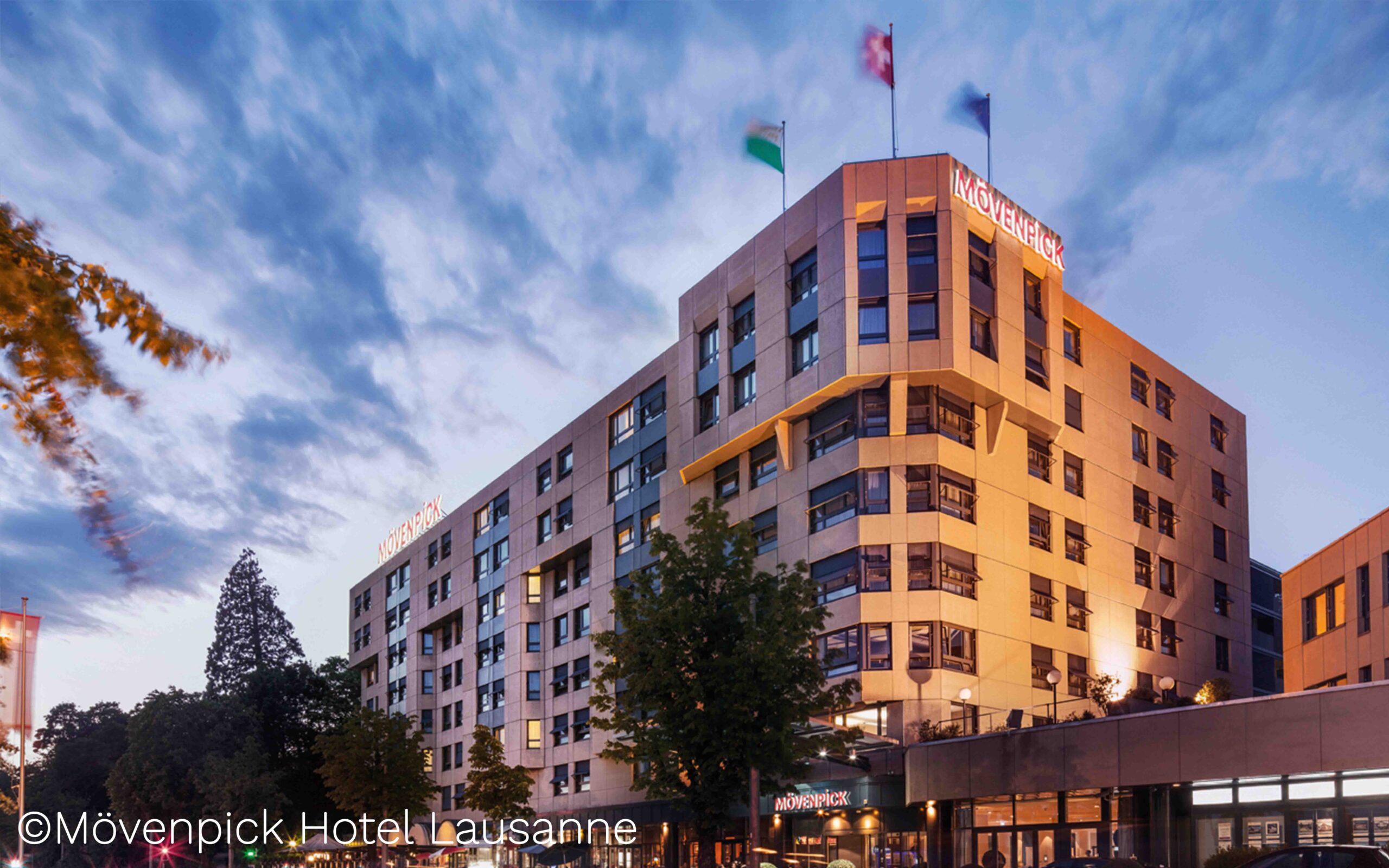
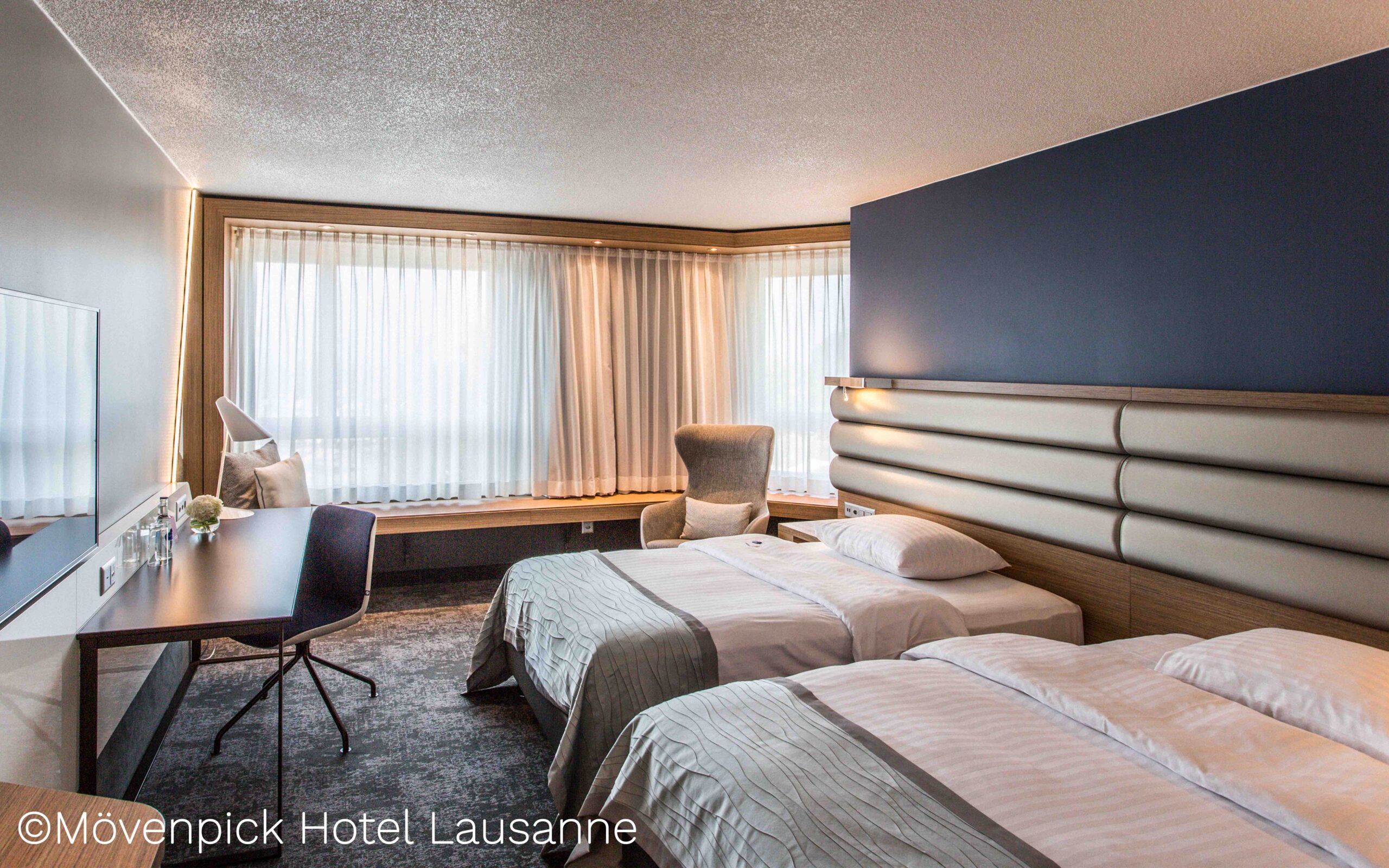
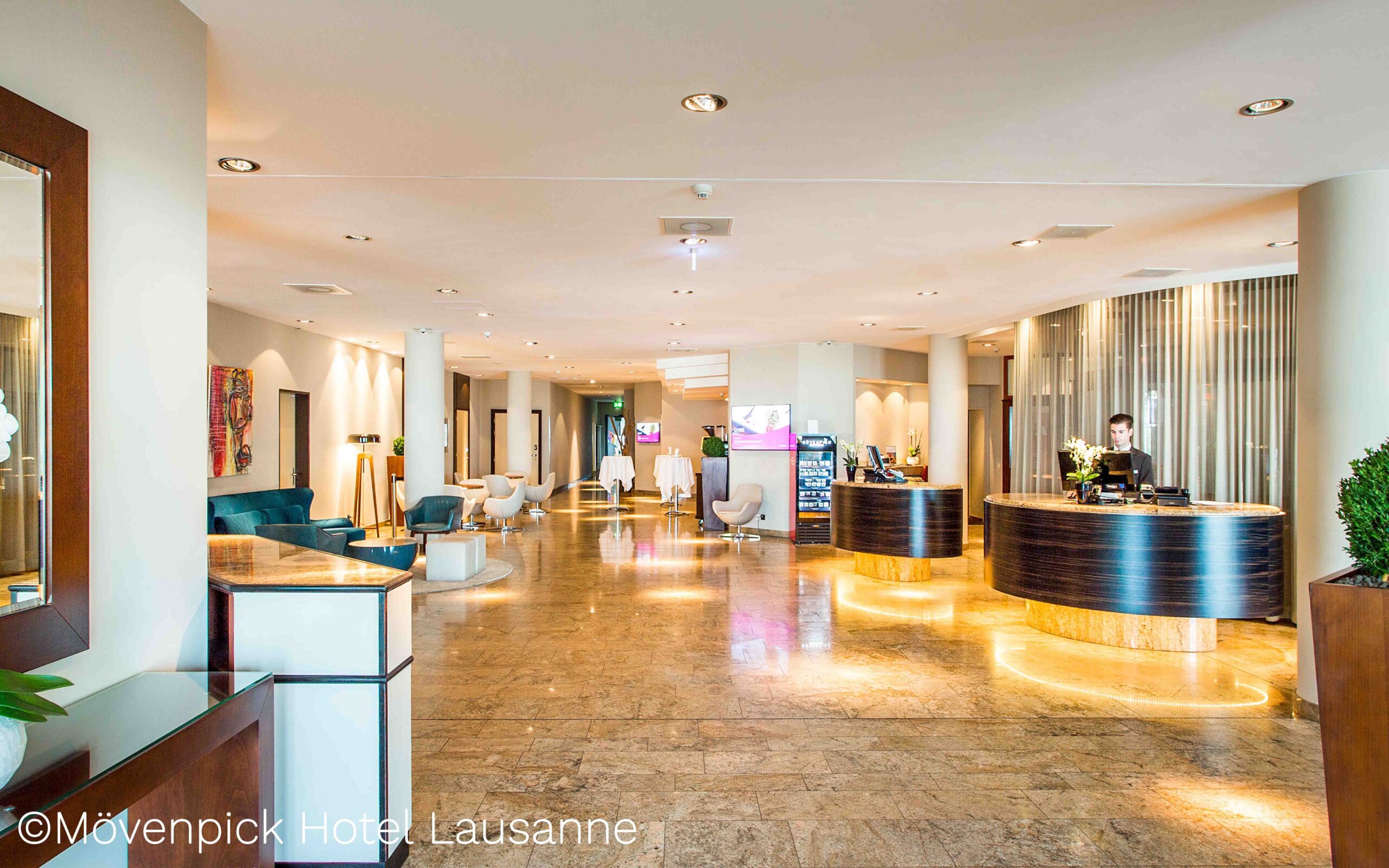
Mövenpick Hotel
The four-star Mövenpick Hotel Lausanne is the official hotel of the smartcities & sport summit. Located in the Ouchy district of Lausanne, it is just a few minutes away from the train station and Lake Geneva.
The Mövenpick Hotel Lausanne is the perfect destination for business or leisure travellers to discover the charm and hospitality of Lausanne.
The hotel was originally built in 1988 and was renovated in 2020. There are two restaurants, a terrace, and bar offering a superb view of the lake.
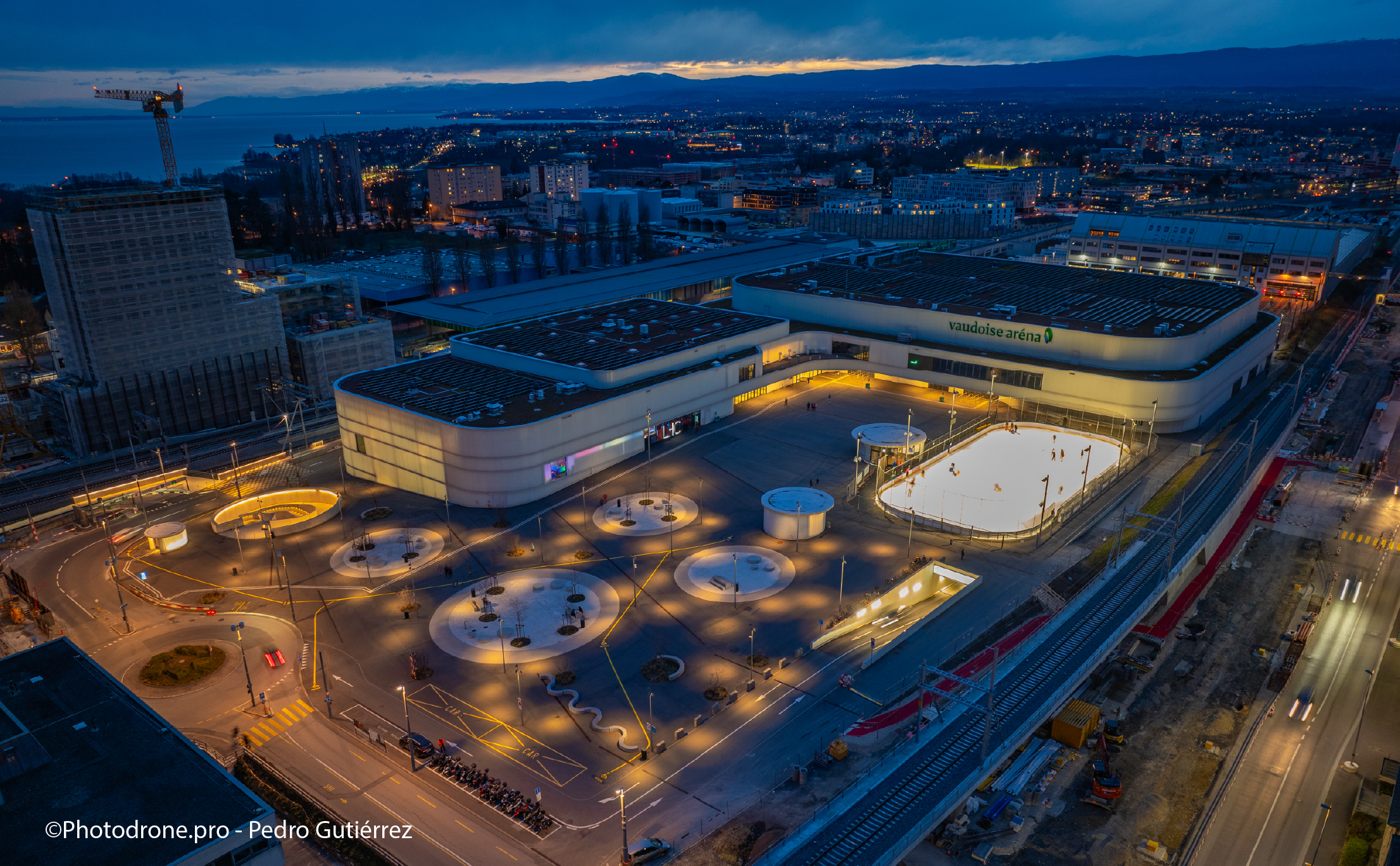
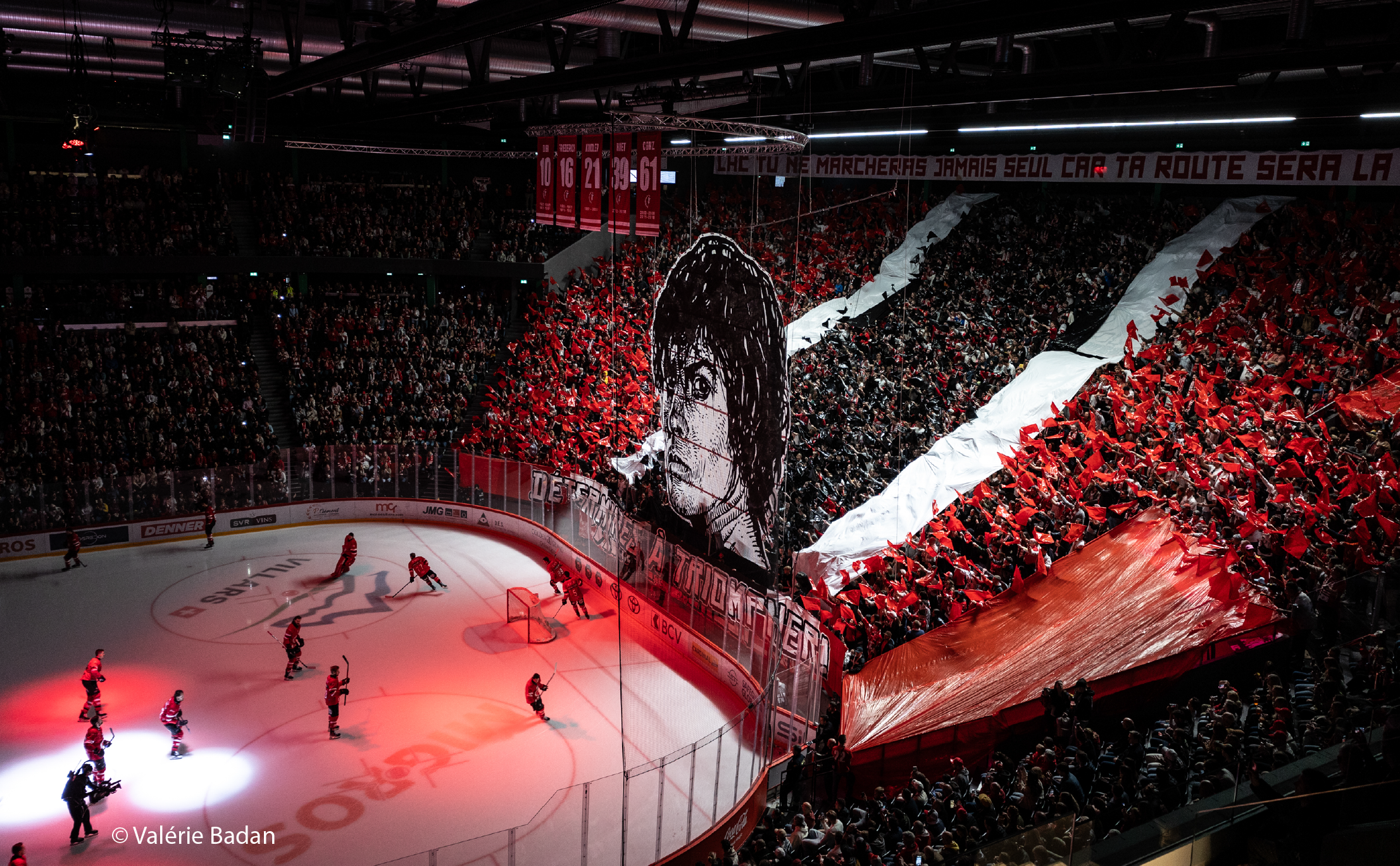
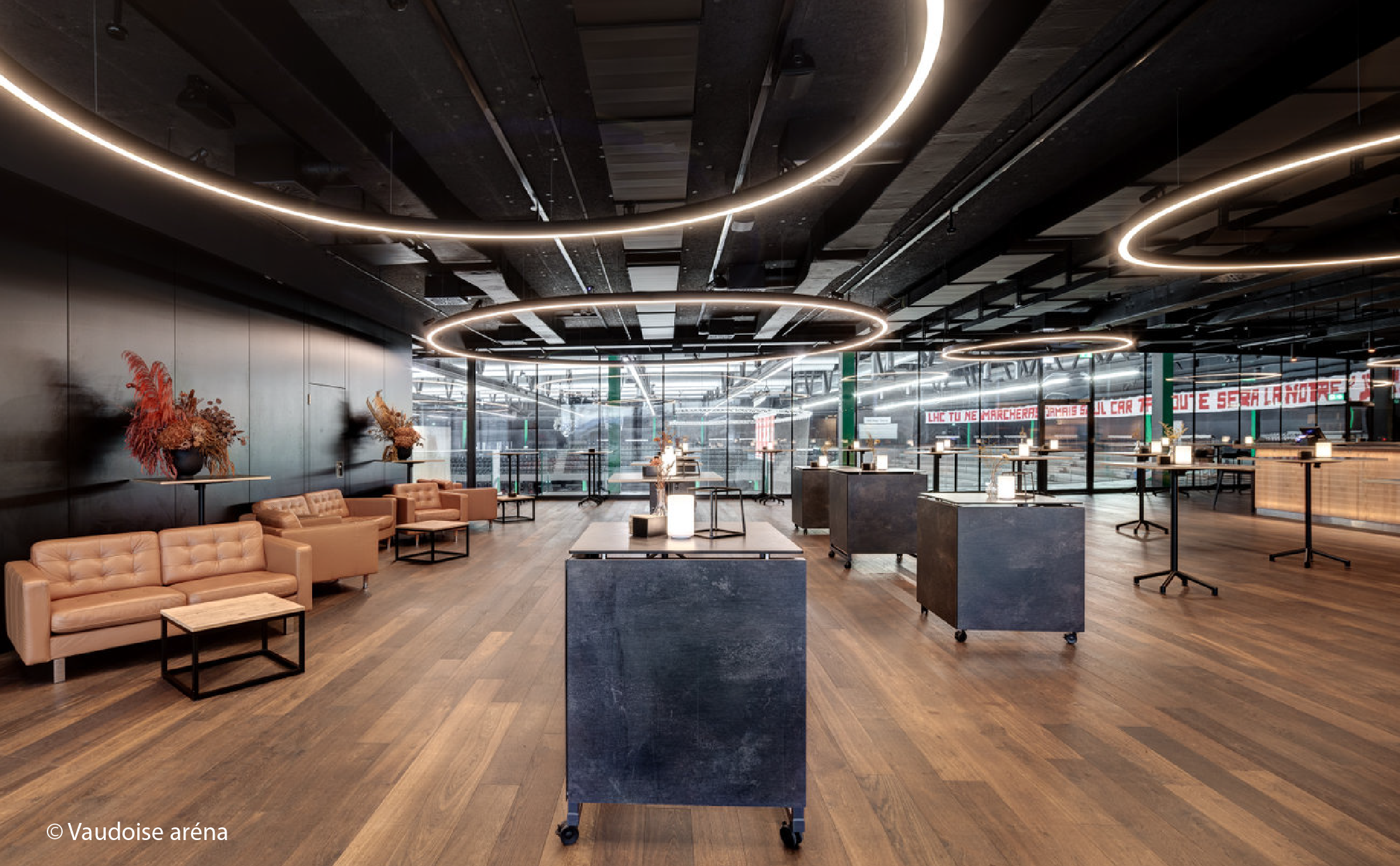
The Vaudoise aréna
Located just outside Lausanne, the Vaudoise aréna, is one of Switzerland’s premier sports and entertainment destinations. Bringing together world-class sports facilities and a year-round programme of major events, it welcomes everyone—from elite athletes and clubs to families, businesses and visitors. The venue features three ice rinks, Switzerland’s largest aquatic centre, a fencing centre, a table tennis centre, and an outdoor padel centre during the spring and summer months.
Throughout the year, the Vaudoise aréna hosts international sporting events, concerts, live entertainment, seminars and corporate functions, making it a landmark destination in the Lausanne region.
The Vaudoise aréna will host the smartcities & sport summit welcome dinner.
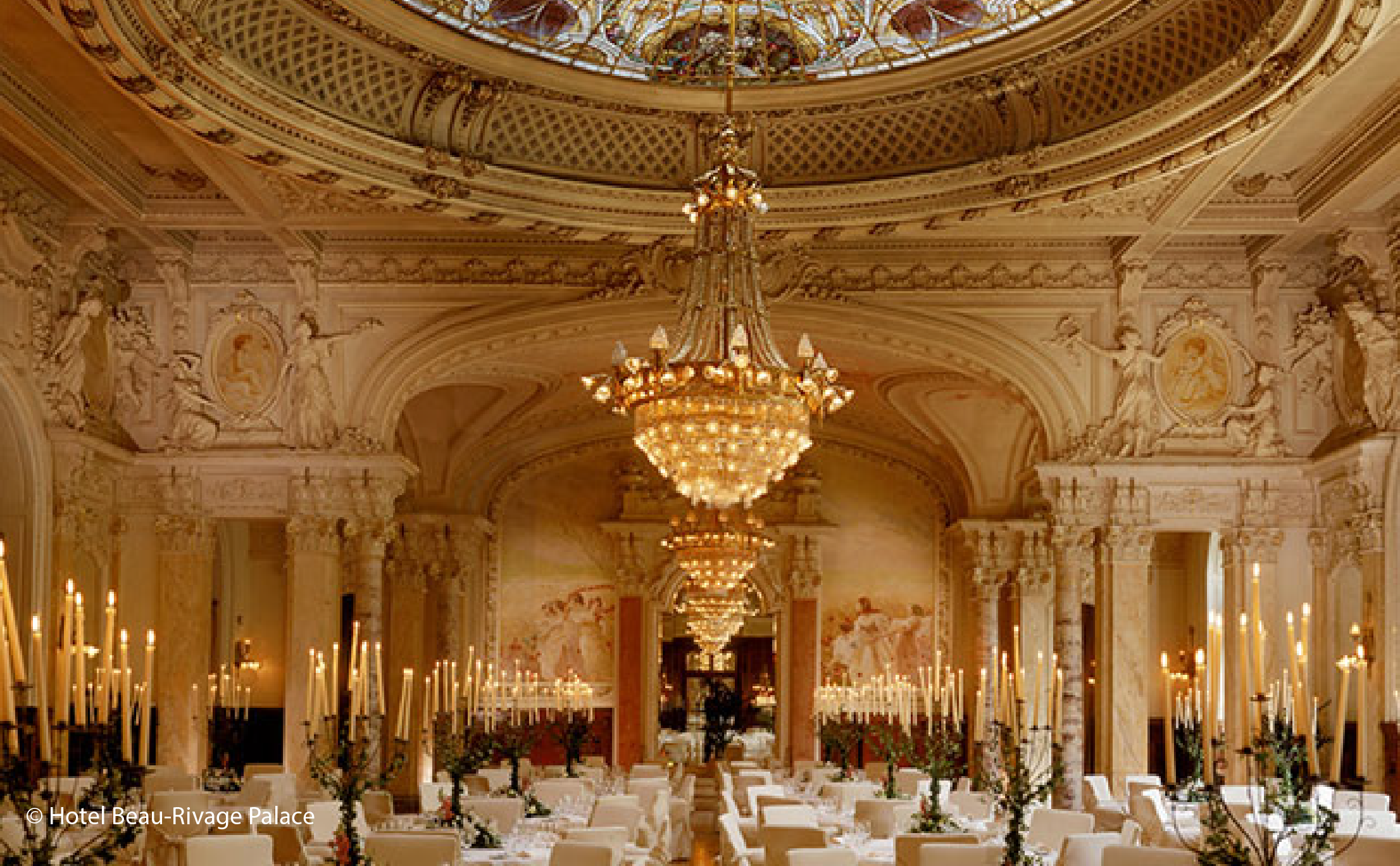
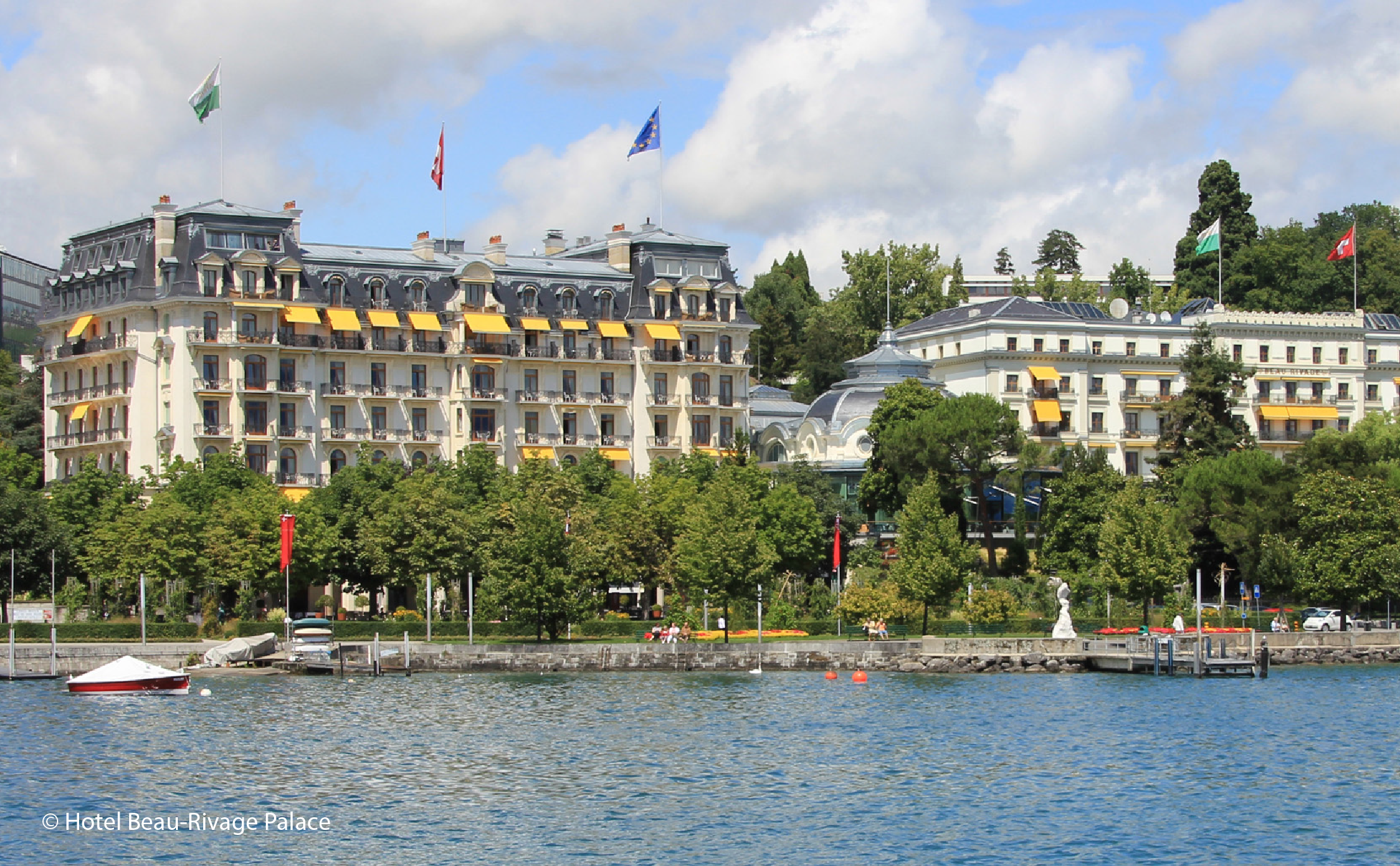
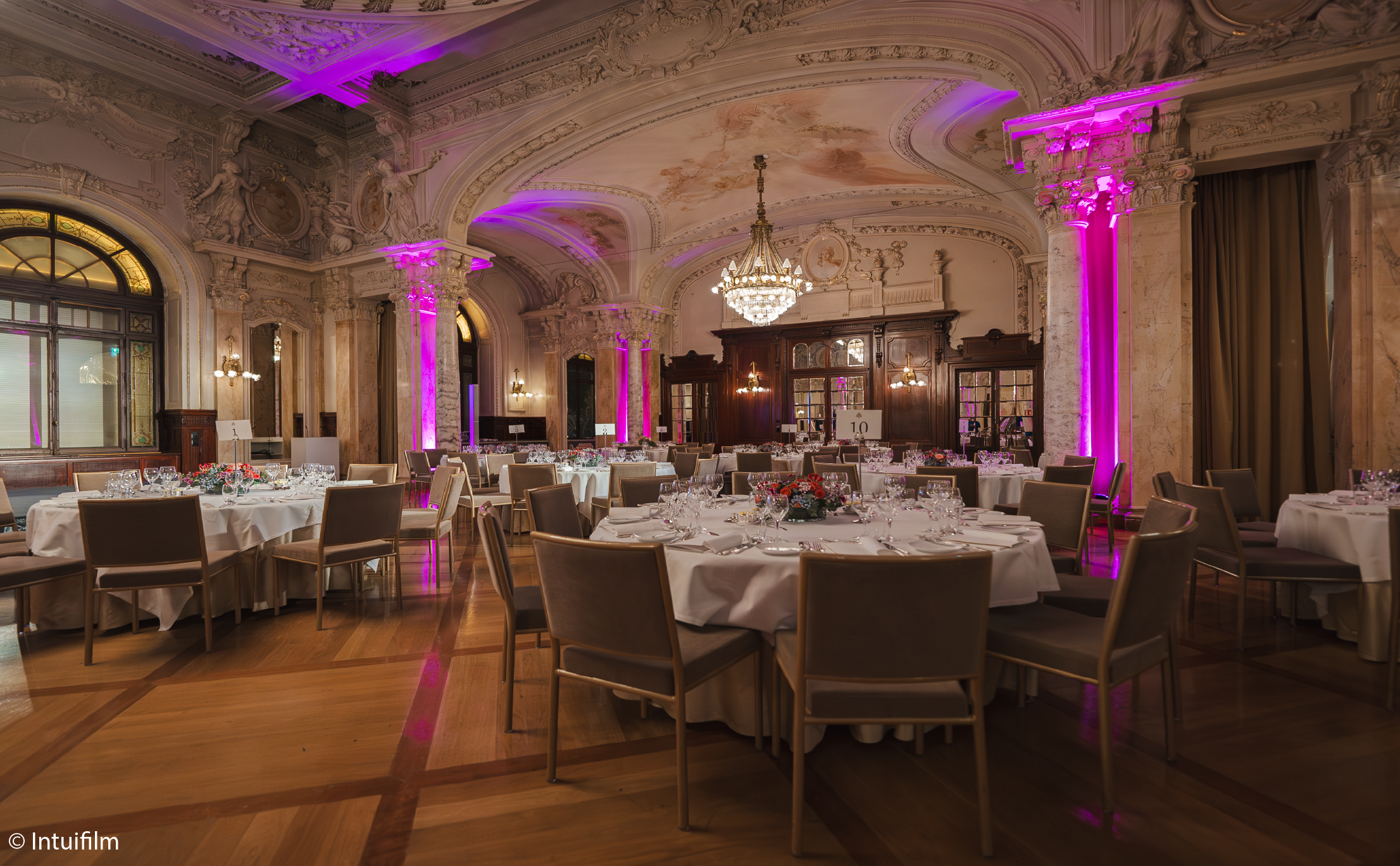
Hotel Beau-Rivage Palace
The Beau-Rivage Palace is a famous ambassador of the highest Swiss hotel tradition since 1861. Ideally located on the shores of Lake Geneva, the Beau-Rivage Palace is nestled in a natural setting, a stone’s throw from the centre of Lausanne.
Victor Hugo, Charlie Chaplin, Coco Chanel, Nelson Mandela, and Tina Turner are just a few of the many famous guests who have enjoyed the Palace hospitality.
The Beau-Rivage Palace will host the smartcities & sport gala dinner on 17 November 2026.
access the summit

BY PLANE
Participants flying to Switzerland are recommended to fly into Geneva Airport. It is possible to transfer from the airport to Lausanne by train or taxi. Train tickets can be purchased directly at the airport. For more information, please visit here.

BY RAILWAY
Lausanne is a key train station in the French-speaking part of Switzerland, located on the Geneva-Zurich line. Two trains an hour run to these cities.
SBB | Swiss Railway
DB | German Railway
SNCF | French Railway

BY PUBLIC TRANSPORTATION
Metro (M2) will take you from the Lausanne railway station to Ouchy Olympique in 7 minutes. Then, you simply need to cross the street to the Mövenpick Hotel which is located just on the banks of the lake.
lausanne public transport online timetable

BY CAR
Lausanne is the point where the motorway networks meet up in the French-speaking part of Switzerland. There are several car parks in the city centre
car parks in lausanne
logistical information

Visa
It is the responsibility of the participants to obtain a visa if needed. Please check the visa requirements for your nationality. Overviews of ID and visa provisions vary according to nationality.
Schengen visas are valid for Switzerland and for all other Schengen member states (providing nothing to the contrary is noted on the visa).
If you have any questions, contact the Swiss Embassy responsible for the area in which you reside: Swiss representations.
If the visa is not granted on time, the cancellation policy will be applied.

Weather
November temperatures range from 5°C (41°F) at night (minimum night temperature) and around 9°C in the daytime (max day temperature of 48°F). For the current weather forecast, please click here.

time zone
Central European Time Zone
(UTC+01:00)

Electricity
Electricity Plugs
European/Swiss plugs, 220 Volts
see you in Lausanne, switzerland!
16 – 18 november 2026
supported by